































Working Principle and Core Functions of Thermal Shock Test Chambers
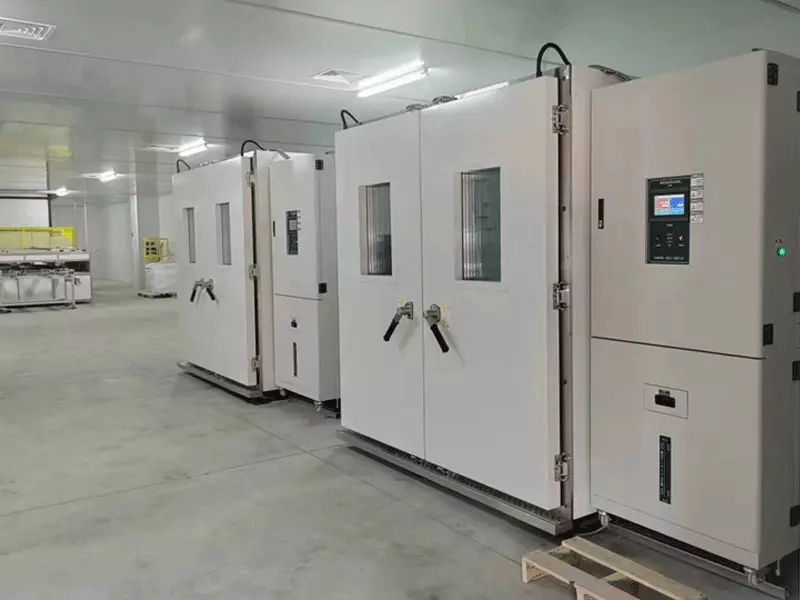
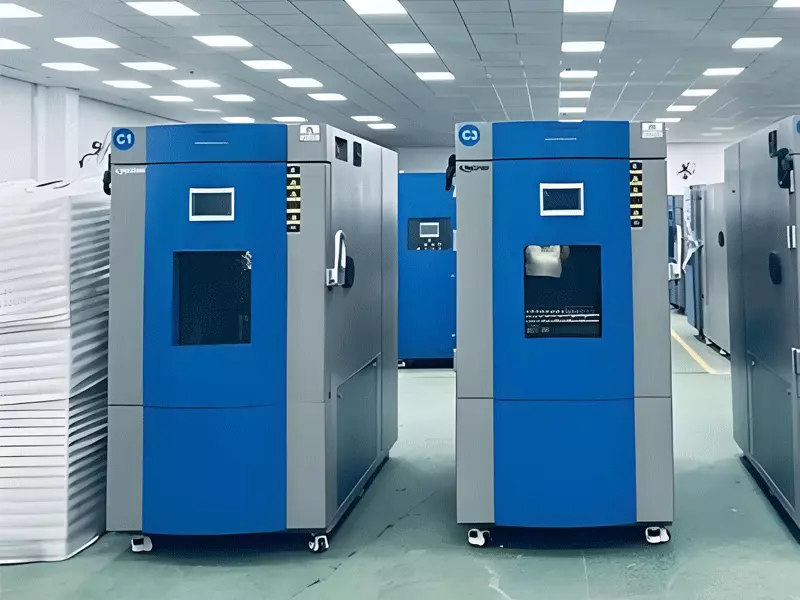
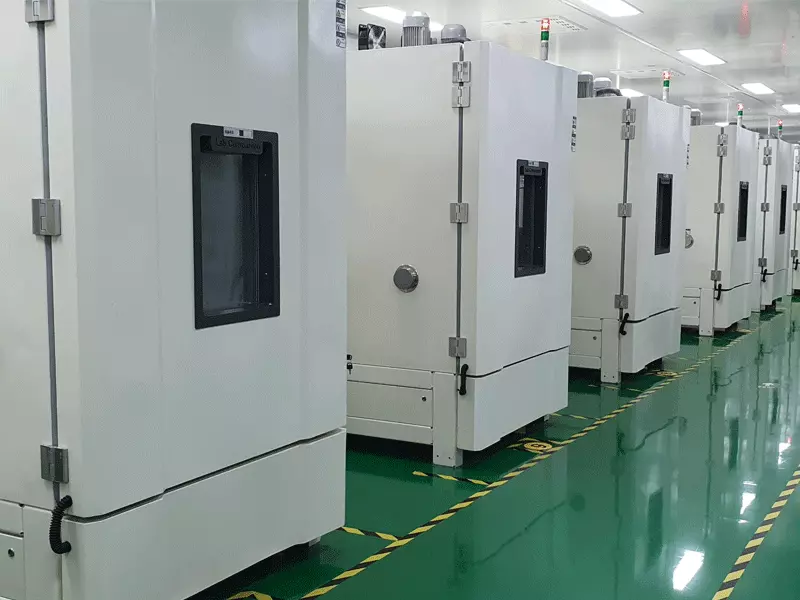
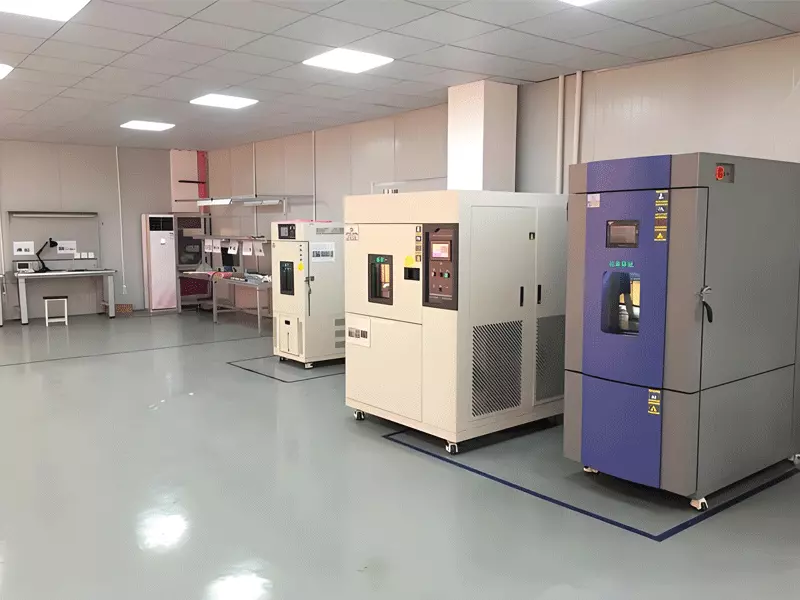
Thermal shock test chambers are indispensable environmental testing equipment for verifying the extreme temperature resistance of industrial products, widely applied in aerospace, electronics, automotive and new energy industries. Their core function is to simulate abrupt high and low temperature alternating environments, reproducing the thermal stress that products may encounter in extreme working scenarios within a short time frame . Unlike conventional temperature test devices, this equipment focuses on instantaneous temperature transition rather than slow temperature adjustment, which effectively exposes potential structural and material defects of products.
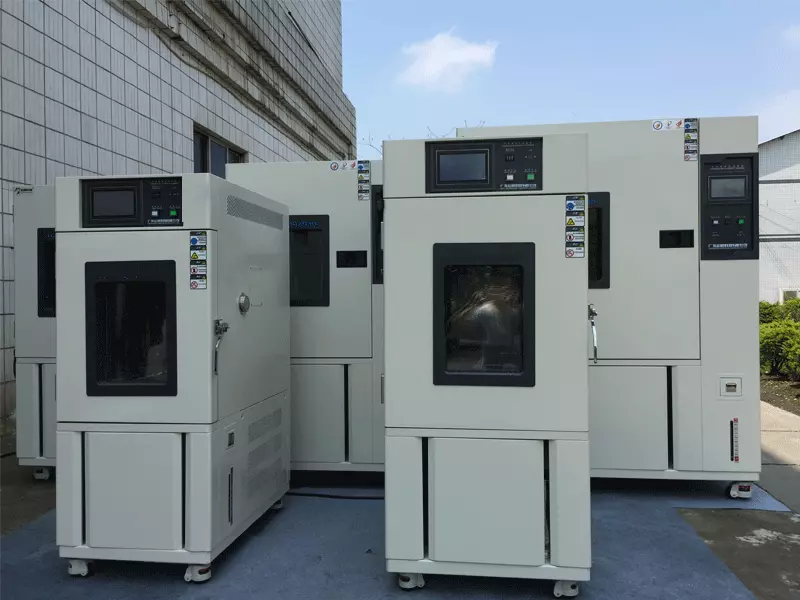
Most thermal shock test chambers adopt two-zone or three-zone structural design, including independent high-temperature zones and low-temperature zones. The high-temperature zone is equipped with high-efficiency heating elements to maintain stable temperatures ranging from 60°C to 200°C, while the low-temperature zone relies on advanced refrigeration systems to reach temperatures as low as -65°C . Test samples are fixed on an automatic servo-driven basket, which can complete rapid transfer between hot and cold zones within 1 second without manual intervention . This ultra-fast switching creates genuine thermal shock conditions, forcing product materials to undergo rapid expansion and contraction.
During the test process, samples stay in each temperature zone for a preset dwell time to ensure full thermal penetration, and the cycle is repeated according to standardized test procedures . The whole testing process is automatically controlled by a precision program, featuring stable operation and high repeatability. By detecting structural cracks, solder joint failures and material aging problems caused by thermal expansion and contraction, the chamber helps engineers optimize product designs in the early development stage, greatly improving product environmental adaptability and service life in extreme temperature environments.
Next: No More